Understanding the SAP landscape
Modules, improvements, integrations, data, roles, reports, documents, dependent processes.
Result: current state map.
RESTART helps to evaluate the transition from SAP to 1C to a large project: analyze the SAP landscape, business logic, data, integrations, reports, risks and prepare a realistic migration roadmap.
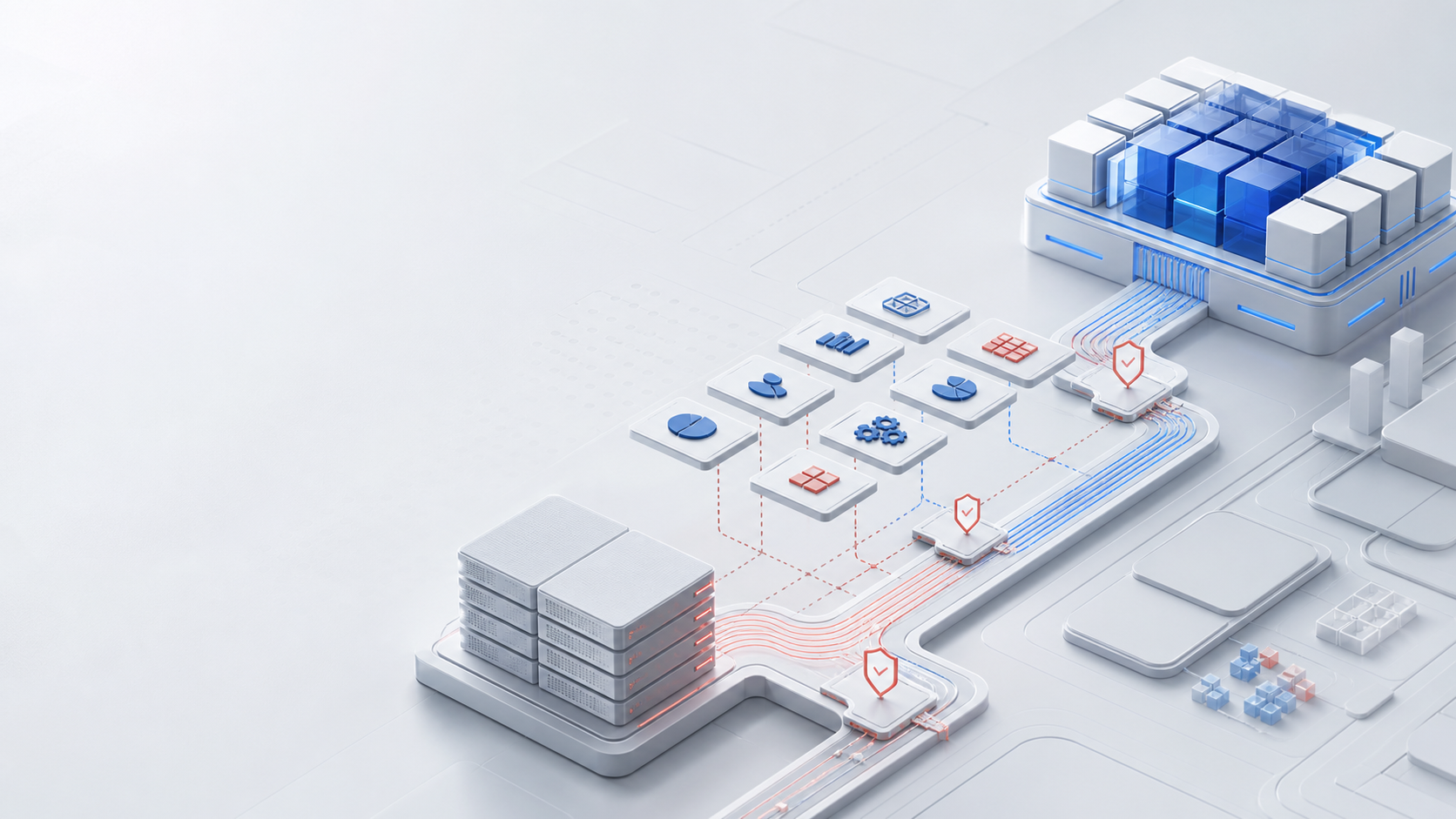
You need to understand the scope of the SAP replacement, the architectural risks, and a realistic transition plan.
It is important to maintain records, reporting, control procedures, archives and trust in the data.
It is necessary to compare SAP modules, modifications, Z-objects, integrations and the target 1C environment.
We need scope, stages, acceptance criteria, team and procurement logic of the project.
The main risk of migrating SAP → 1C is to perceive it as a transfer of directories, although in reality the manageability of the business is transferred.
| Pain | What happens without preparation |
|---|---|
| SAP business logic is not described | Accounting rules, roles, reports, control procedures and exceptions are lost in the target system. |
| Integrations are underrated | Banks, EDI, DWH, CRM, portals and external systems break project deadlines. |
| Data migrates without quality | History, reference books, documents and analysts do not undergo reconciliation and reconciliation. |
| No step-by-step roadmap | The company chooses a transition scenario that is too large or too risky. |
Modules, improvements, integrations, data, roles, reports, documents, dependent processes.
Result: current state map.1C:ERP, 1C:UH, 1C:Document Management, portals, integrations, BI/DWH and archives.
Result: a variant of the target architecture.Data, integrations, methodology, users, information security, deadlines, resources and critical dependencies.
Result: risk register.Stages, team, artifacts, quick wins, pilot area and migration plan.
Result: roadmap 3-12 months.Modules, improvements, integrations, data, reports, roles and problem areas.
Target scheme of 1C and related systems: accounting, documents, integrations, BI, archive.
Risks of data, methodology, integrations, information security, users and timing.
Stages, team, pilot area, artifacts and acceptance criteria.
For most companies, 2-4 weeks are enough to get an objective picture of the migration and make a decision: start a pilot, prepare technical specifications, break up the program or clarify the target architecture.
| Role | Area of responsibility |
|---|---|
| ERP/SAP architect | Current SAP landscape, improvements, processes, integrations and risks. |
| 1C architect | Target architecture 1C:ERP, 1C:UH, documents, roles, reports. |
| Data/BI analyst | Data migration, reconciliations, archives, DWH/BI and reporting. |
| PM / business analyst | Interviews, plan, backlog, artifacts, communications and acceptance. |
Systems, processes, owners, reports, integrations, pain points and limitations.
SAP modules and improvements are compared with 1C and related solutions.
Critical reference books, documents, history, interfaces, DWH and reports.
Stages, team, risks, quick wins, pilot and acceptance criteria.
Public cases do not reveal confidential details of customers, but show RESTART’s experience in related enterprise landscapes.
Yes, but the answer depends on the current SAP landscape, improvements, integrations, reporting and business requirements.
Business logic, data, integrations, reporting, access roles, archive loop and user readiness.
No. RESTART combines SAP experience, 1C practice Invent, BI/DWH, information security, development and project management.
Fill out a short application or send an email to info@restart.re. For the first conversation, it is enough to describe the outline, the role of the organization, current systems, limitations and the desired outcome.
Describe the task, current systems, constraints, and expected results. We will offer a practical first step: diagnostics, pilot, audit, roadmap or project team.